Dr. Prashanth Kumar Narukulla is a highly experienced Consultant Pulmonologist and Respiratory Medicine Specialist with over a decade of clinical expertise. He holds an MBBS from Aarupadai Veedu Medical College, Pondicherry University (2011), and a Doctor of Medicine in Respiratory Medicine from Navodaya Medical College, affiliated with Rajiv Gandhi University of Health Sciences, Bengaluru (2017).
Dr. Prashanth began his career as a Senior Resident in the Department of Respiratory Medicine at Nizam’s Institute of Medical Sciences, gaining advanced training in complex pulmonary conditions. He later served as Civil Assistant Surgeon Specialist and went on to become Consultant Pulmonologist and Director at Roma Hospital. Currently, he practices as a Consultant Pulmonologist at Medone Hospitals and also serves as Associate Professor at TRR Medical College, Hyderabad.
His clinical expertise includes bronchoscopy, thoracoscopy, thoracocentesis, intercostal drainage, polysomnography, and management of asthma, COPD, tuberculosis, pneumonia, sleep disorders, lung cancer, and interstitial lung disease. He is known for his patient-centric approach, accurate diagnosis, and advanced treatment methods.
With his dedication to improving respiratory health and training future medical professionals, Dr. Prashanth continues to contribute significantly to pulmonary medicine in India.

- Call Us: 7416371666
- Email Us: dr.n.prashanth@gmail.com
Dr. Prashanth Kumar Narukulla – Leading Interventional Pulmonologist in Hyderabad
He is an expert in bronchoscopy, thoracoscopy, sleep disorders, and advanced respiratory care, with extensive experience in diagnosing and managing complex lung conditions, and performing minimally invasive procedures.

Excellence in Care, Compassion in Practice- Advanced Respiratory Medicine and Interventional Pulmonology
Better Breathing and Better Health

Dr. Prashanth Kumar Narukulla: Advanced Respiratory and Lung Care Specialist
Dedicated to treating asthma, COPD, lung cancer, and complex respiratory disorders with precision.

Comprehensive Pulmonology and Interventional Respiratory Care You Can Trust
Offering bronchoscopy, thoracoscopy, EBUS, and minimally invasive lung procedures

Expert in Asthma, COPD, Sleep Disorders, and Lung Diseases
Providing tailored care plans for long-term breathing comfort and health.
Cutting-Edge Interventional Pulmonology for Complex Chest Conditions
Advanced techniques for pleural disease, pneumonia, tuberculosis, and critical respiratory care

Holistic Respiratory Care from Diagnosis to Advanced Treatment
Comprehensive evaluation, treatment, and pulmonary rehabilitation for lasting lung health

.jpg)
.png)
.png)
.png)
.png)
.png)
.png)

My visit to the Indirapuram clinic was very smooth. The management was excellent, and I appreciated their quick service—from scheduling appointments to providing care. A very professional team
Abhishek Mahajan
Dr. Prashanth Kumar Narukulla
About Us
Comprehensive, affordable, and advanced respiratory care you can trust
Dr. Prashanth Kumar Narukulla, MBBS, MD, is a distinguished respiratory medicine specialist and pulmonologist, known for blending comprehensive primary care with advanced respiratory medicine. As a respiratory medicine specialist, he provides holistic and compassionate care—from routine check-ups and preventive screenings to managing chronic conditions—ensuring each patient receives personalized attention tailored to their unique needs.
In his role as a pulmonologist, Dr. Prashanth specializes in diagnosing and treating a wide spectrum of respiratory ailments, including asthma, COPD, and respiratory infections, using state-of-the-art diagnostic tools and evidence-based treatments. He practices with a patient-centered philosophy, integrating his dual expertise to deliver holistic healthcare solutions that prioritize both general and respiratory well-being.
Driven by a commitment to excellence and empathy, he stays updated with the latest medical advancements, ensuring the highest standard of care. His clinic is built on the principles of accessibility, affordability, and innovation, aiming to redefine healthcare delivery with world-class technology and patient-first values.
With round-the-clock availability and adherence to international standards, Dr. Prashanth offers comprehensive family health services that cater to patients of all ages, underlining his unwavering dedication to nurturing a healthier tomorrow.
14+
Years Of Experience
9+
Years of Experience as Specialist
4K+
Bronchoscopies Done
1K+
Thoracoscopies Performed
Our Specialization
Our Healthcare Services
Expert diagnosis, treatment & long-term management of lung diseases



Dr. Prashanth Kumar Narukulla
Pulmonologist
.jpeg)
- MBBS, MD
- 14.0 Years Of Experience
- Licence No. APMC/FMR/78655
- Call
- Video Call
- In person
Media Pictures
Frequently Asked Questions
Need Answers? Find them here...
What are the steps involved in Lung Cancer Detection and Management?
Lung Cancer Detection and Management begins with imaging tests like CT scans. If abnormalities are found, procedures such as bronchoscopy or EBUS may be employed to obtain tissue samples. Management includes surgery, chemotherapy, radiation, and targeted therapies, chosen based on cancer type and stage. Advanced care planning is important for addressing prognosis and treatment options, emphasizing the need for early detection and customized treatment plans.
What is the purpose of Intercostal Drainage in respiratory care?
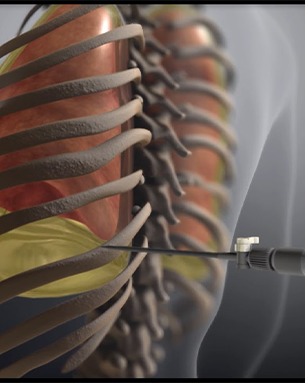
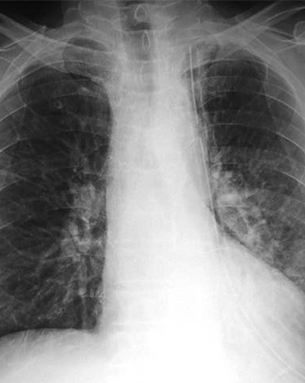
Intercostal Drainage is employed to remove fluid, air, or pus from the pleural space, often due to pneumothorax or pleural effusion. A tube is inserted between the ribs, enabling effective drainage. This procedure helps restore normal lung function, preventing complications like lung collapse. Intercostal drainage is usually performed under local anesthesia, guided by imaging for precise placement.
How is Thoracentesis performed and why is it necessary?
Thoracentesis involves inserting a needle into the pleural space to remove excess fluid, which can cause breathing difficulties. Performed with local anesthesia, it's both diagnostic and therapeutic. Fluid is analyzed to determine the cause of the effusion, aiding in conditions like infections, heart failure, or malignancies. Besides symptom relief, it provides valuable information for guiding further treatment.
What to expect during a Thoracoscopy?
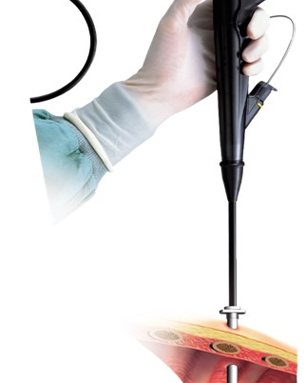
Thoracoscopy, a minimally invasive procedure, allows direct visualization of the pleural space, aiding in diagnosing and treating pleural diseases. Performed under anesthesia, it involves small chest incisions to insert a camera-equipped thoracoscope. Tools can be used for biopsies, fluid removal, or pleurodesis. It offers detailed insights with less post-operative discomfort compared to open surgery.
What is involved in performing a Bronchoscopy?
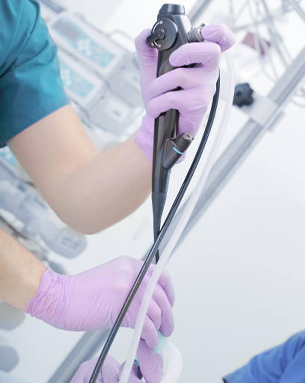
Bronchoscopy involves inserting a thin tube with a camera into the airways to visualize the respiratory tract. It's used for diagnosing and sometimes treating lung problems like infections, tumors, or blockages. During the procedure, tissue or fluid samples may be obtained for further analysis. It’s generally safe with minimal recovery time, allowing detailed examination and targeted intervention.
What is EBUS and how is it used in respiratory medicine?
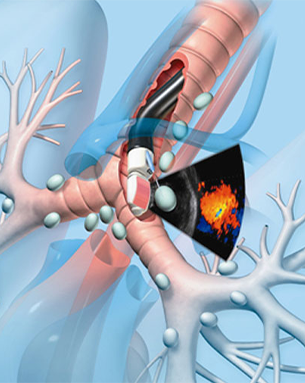
Endobronchial Ultrasound (EBUS) is a minimally invasive procedure used to diagnose lung diseases, including cancer. It combines bronchoscopy with ultrasound to obtain images of tissues and structures in and around the lungs. Fine-needle biopsy samples can be taken from lymph nodes or tumors without surgical incisions. EBUS is valued for its accuracy, safety, and ability to guide treatment decisions.
How does Pulmonary Rehabilitation benefit patients?
Pulmonary Rehabilitation is a comprehensive program designed to improve the physical and emotional health of patients with chronic respiratory conditions. It includes exercise training, nutrition, education, and breathing techniques. The goal is to enhance quality of life by increasing physical endurance, reducing symptoms, and providing patients with the tools to manage their condition more effectively at home.
What is the role of a pulmonologist in the treatment of Tuberculosis?
In Tuberculosis management, pulmonologists play a crucial role in diagnosis through sputum testing and imaging. They devise treatment plans involving multi-drug regimens, lasting several months, to eradicate the Mycobacterium tuberculosis bacterium. Regular monitoring ensures adherence and assesses treatment efficacy. Pulmonologists also manage complications like drug resistance and provide education on infection prevention.
How are Complicated Pneumonias treated in pulmonary medicine?
Management of Complicated Pneumonias requires accurate diagnosis through cultures and imaging. Treatment involves selecting the appropriate antibiotics or antiviral medications based on the causative agent. In severe cases, hospitalization for oxygen therapy and respiratory support may be necessary. Pulmonary rehabilitation may also be recommended to aid recovery by improving lung function and exercise tolerance.
What qualifications does Dr. Prashanth Kumar Narukulla hold in the field of respiratory medicine?
Dr. Prashanth Kumar Narukulla is a highly experienced Consultant Pulmonologist and Respiratory Medicine Specialist with an MBBS from Aarupadai Veedu Medical College, Pondicherry University (2011), and a Doctor of Medicine in Respiratory Medicine from Navodaya Medical College, affiliated with Rajiv Gandhi University of Health Sciences, Bengaluru (2017). His extensive education and over a decade of clinical expertise make him a trusted specialist in the field of respiratory medicine in Hyderabad.
How is Interstitial Lung Disease managed?
Interstitial Lung Disease Management requires a comprehensive approach due to its complexity. Diagnosis involves high-resolution imaging and lung biopsies. Treatment may include corticosteroids and immunosuppressive drugs to reduce inflammation. Pulmonary rehabilitation is often recommended to enhance lung capacity and overall fitness. Regular monitoring is crucial, as early intervention can slow disease progression and improve quality of life.
What does Pleural Disease Management entail?
Pleural Disease Management focuses on conditions affecting the pleura, the membrane surrounding the lungs. This includes effusions, pneumothorax, and pleuritis. Management may involve diagnostic imaging, thoracentesis to remove fluid, and pleurodesis to prevent recurrence. In complex cases, surgical interventions like thoracoscopy might be necessary. The goal is to relieve symptoms, improve respiratory function, and treat the underlying cause.
How are Sleep Disorders Evaluated in pulmonary medicine?
Sleep Disorders Evaluation in pulmonary medicine involves assessing conditions like sleep apnea, insomnia, and restless leg syndrome. This typically includes a detailed patient history, sleep questionnaires, and often, an overnight sleep study called polysomnography. Home sleep apnea testing might also be utilized. The aim is to identify sleep disturbances, correlate them with daytime symptoms, and develop a tailored treatment strategy.
What is Advanced Asthma and COPD Care?
Advanced Asthma and COPD Care involves personalized treatment plans to manage symptoms, improve lung function, and prevent exacerbations. This care might include medication adjustments, inhaler techniques, and lifestyle changes. For severe cases, it may also involve biologic therapies or bronchial thermoplasty. Regular monitoring and spirometry tests help track progress and ensure optimal respiratory health.
How does Dr. Prashanth Kumar Narukulla offer non-invasive pulmonology treatments effectively?
Dr. Prashanth Kumar Narukulla provides exceptional non-invasive pulmonology care by integrating holistic and cutting-edge approaches. His clinic utilizes sophisticated diagnostic tools to offer affordable solutions that prioritize patient comfort and minimize risks. With his dedication to comprehensive and advanced respiratory care, patients receive trustworthy treatments focused on effective management of conditions like asthma and COPD, ensuring they benefit from the latest medical advancements without invasive procedures.
What makes Dr. Prashanth Kumar Narukulla's interventional pulmonology service stand out?
Dr. Prashanth Kumar Narukulla excels in interventional pulmonology by combining comprehensive care with advanced respiratory solutions. His approach ensures that each procedure, from bronchoscopy to endobronchial ultrasound, is tailored to the patient's specific needs. Patients can trust his commitment to providing world-class, yet affordable, respiratory care, underlined by a dedication to patient safety and innovative treatments that prioritize long-term health benefits.
What are Dr. Prashanth Kumar Narukulla's areas of expertise in pulmonary medicine?
Dr. Prashanth Kumar Narukulla specializes in a wide range of pulmonary procedures and conditions, including bronchoscopy, thoracoscopy, thoracocentesis, intercostal drainage, and polysomnography. He is adept at managing asthma, COPD, tuberculosis, pneumonia, sleep disorders, lung cancer, and interstitial lung disease. Known for his patient-centric approach, accurate diagnosis, and advanced treatment methods, Dr. Prashanth provides comprehensive respiratory care as a Consultant Pulmonologist at Medone Hospitals in Hyderabad.
Location & Location Map
 Address :MedOne Hospitals, Besides Pista House, Pipe Line Road, Survey No. 42, Suchitra, Hyderabad 500067, Telangana


Working Hours
MONDAYClosed
TUESDAYClosed
WEDNESDAYClosed
THURSDAYClosed
FRIDAYClosed
SATURDAYClosed
SUNDAYClosed
Contact Us
What We Offer
Contact Us
- Email: dr.n.prashanth@gmail.com
- Phone: 7416371666
Social Media connect:


Website Powered by icareheal